Navigating Foreclosure Law
Posted December 10, 2025
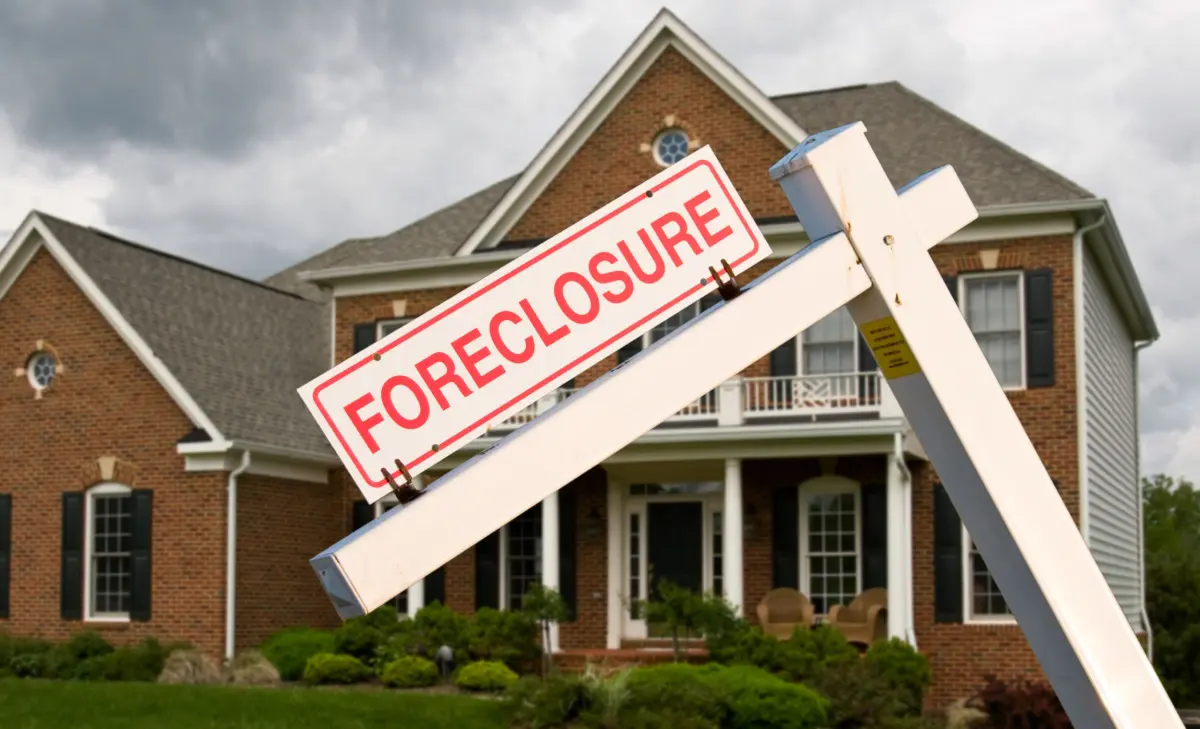
Facing Foreclosure in Florida: Know Your Rights & Options
Facing possible foreclosure can be overwhelming, stressful, and uncertain. If you’re behind on mortgage payments or dealing with a lender’s foreclosure action, it’s crucial to know that you have rights — and options.
At Heath Law Firm, we help Florida homeowners understand those rights, explore alternatives, and make informed decisions to protect their homes and financial future.
What Is Foreclosure & Why Does It Happen?
Foreclosure begins when a homeowner fails to make payments on a mortgage loan or otherwise breaches the loan agreement. Once missed payments accumulate, the lender may pursue foreclosure.
In Florida, foreclosure typically proceeds through the courts in a judicial foreclosure process. Lenders must file a lawsuit and obtain a court judgment before selling the property — giving homeowners an opportunity to respond, defend, or negotiate.
Your Rights as a Homeowner in Florida
- Right to notice: Lenders must send a written default notice, giving you the opportunity to catch up on payments.
- Right to respond: You typically have 20 days to respond to a foreclosure lawsuit. Missing this deadline can result in a default judgment.
- Right to explore alternatives: Options may include loan modification, repayment plans, forbearance, or other loss-mitigation solutions.
- Right to contest lender errors: Improper notices, lack of standing, or missing documentation can be grounds to challenge foreclosure.
- Right to surplus funds or contest deficiency judgments: You may claim surplus funds from a sale or challenge a deficiency judgment if the home sells for less than the debt owed.
Options to Avoid or Exit Foreclosure
- Loan modification or forbearance: Lenders may adjust payment terms or temporarily pause payments.
- Repayment plans: Bring your loan current over time to prevent acceleration or foreclosure.
- Short sale or deed-in-lieu of foreclosure: Transfer ownership to the lender or sell the home if keeping it isn’t feasible.
- Bankruptcy (Chapter 13): May temporarily halt foreclosure and provide a structured way to catch up on payments.
- Challenge the foreclosure in court: Procedural or documentation errors by the lender may be contested legally.
What to Do Right Away if You’re Behind on Payments
- Review all mortgage and loan documents carefully
- Respond promptly to any notices or court documents
- Contact your lender early to explore available options
- Consider solutions such as loan modification, bankruptcy, or short sale
- Consult a foreclosure attorney as soon as possible
Why Legal Representation Matters
Foreclosure law in Florida is complex. Having an experienced foreclosure attorney can make a significant difference — helping you protect your rights, explore all available options, and potentially preserve your home or equity.
Final Thoughts
Facing foreclosure doesn’t mean you have no options. Acting quickly, understanding your rights, and exploring legal and financial alternatives can improve your chances of avoiding a forced sale.
Contact Heath Law Firm today to discuss your situation and take the next step toward protecting your home.